We have Opera Australia’s 2025 program in front of us now, launched this week without the presence of its key architect, former artistic director Jo Davies. As all opera-lovers know, Davies and OA parted company by mutual agreement at the end of August, just nine months after she put her feet under the desk. You can read what I think about that here.
OA’s CEO Fiona Allan told The Sydney Morning Herald the company was in no rush to replace Davies. “I hope by the end of the year or early next we might be in a position to decide, but we’ll probably look for an interim solution and then a longer-term solution,” Allan said.
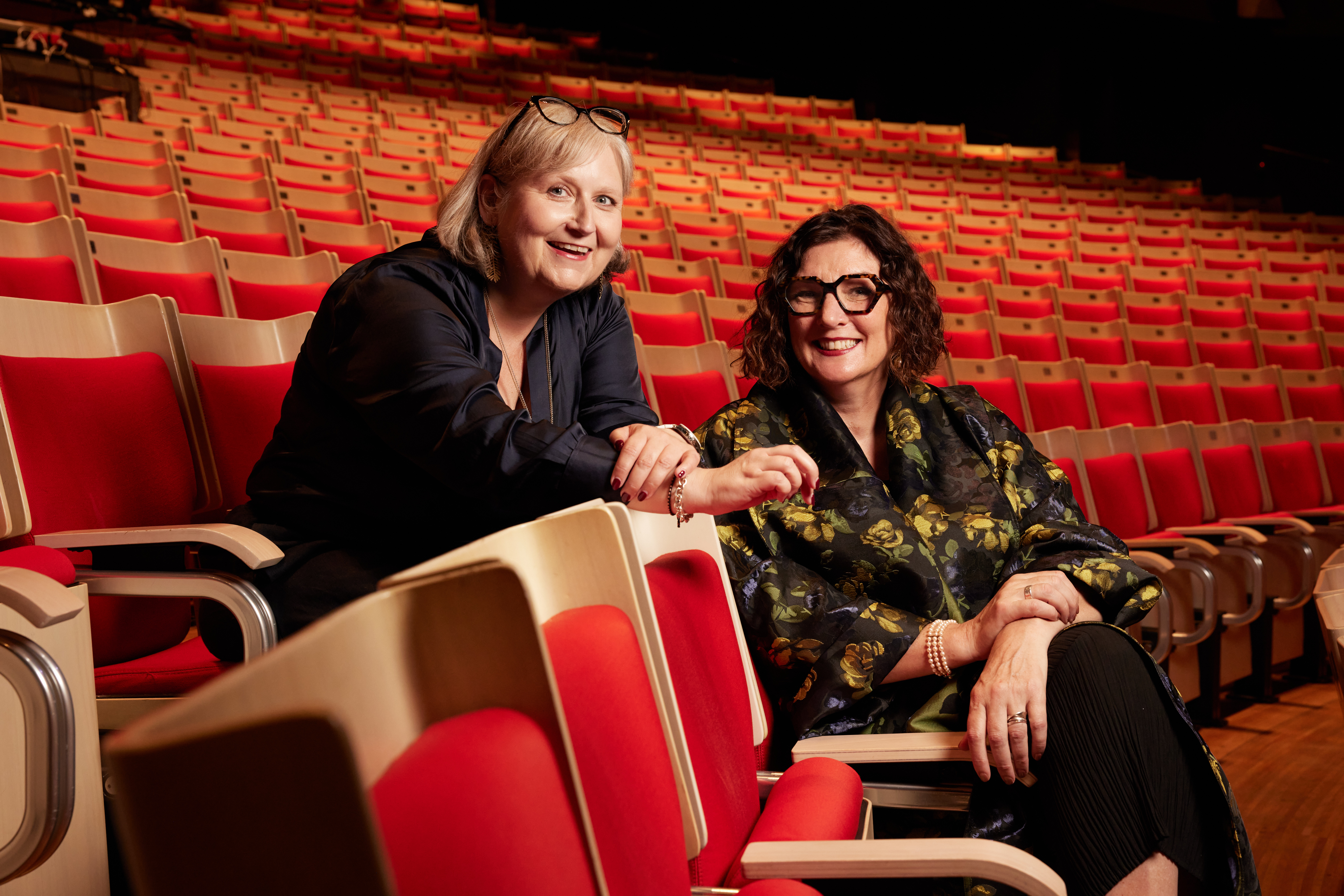
The Australian reported OA was considering a more collaborative model for artistic decision-making rather than hiring another artistic director. “Opera Australia is bigger than any one person … it is a collective,’’ Allan said. When asked about the process of replacing Davies in some way, Allan said: “[We] haven’t started that. We are sitting back and thinking about what does arts leadership need to be for a company of this sort of size.’’
Perhaps management and the Board could have sat back when former artistic director Lyndon Terracini left his post more than a year earlier than planned and had a think then. That was also a far from ideal situation. But let’s move on.
In his statement in the 2023 Annual Report OA Chair Rod Sims wrote that the company was “committed to implementing strategic initiatives aimed at enhancing financial stability” and noted a “commitment to musical theatre productions”.

OA reported an operating loss of nearly $5 million for 2023. I suspect the pandemic-plagued Ring Cycle was the greatest factor but it was too big and too important to be abandoned. On the plus side Miss Saigon and The Phantom of the Opera did big business, together attracting close to a quarter of a million attendees in Sydney and Melbourne, or about half of all attendances (492,324). That’s a big number but not big enough, it seems, to have stemmed the flow of red ink. The losses elsewhere must have been huge.
OA has been involved with musicals for many years, so why this specific mention from Sims? It does make you think. More musicals? Which ones? Performed where? In association with whom? And, pertinently, how do they fit into the company’s purpose?
Let’s peer into the entrails. (I’ll confine my comments to Sydney 2025, which is where most of the activity is happening. Melbourne again has just a handful of shows.)

OA claims its Purpose – once more we go to the 2023 Annual Report for advice – is to be “An opera company for a 21st century Australia”. Among its Values we find “an appetite to innovate” and that “we invite courageous ideas and conversations”.
We know that for Davies that Purpose meant more Australian singers, creative teams and new Australian work because that’s what she programmed for the second half of 2024. There were operas by living Australian composers (one, Jack Symonds’s Gilgamesh premieres shortly) and Australian themes in Watershed and Eucalyptus. Another living composer, the American Missy Mazzoli, was represented. Brett Dean’s Hamlet was finally seen in Sydney. The season was exciting (and I hear on the grapevine it didn’t fall too short on the budget front).
Opera companies the world over put on musicals on the “win some, lose some” principle. They hope to make money that can then be spent on operas (see the above) that aren’t Carmen, La traviata or La bohème. Back in the day Gilbert & Sullivan operettas were enlisted for this purpose.
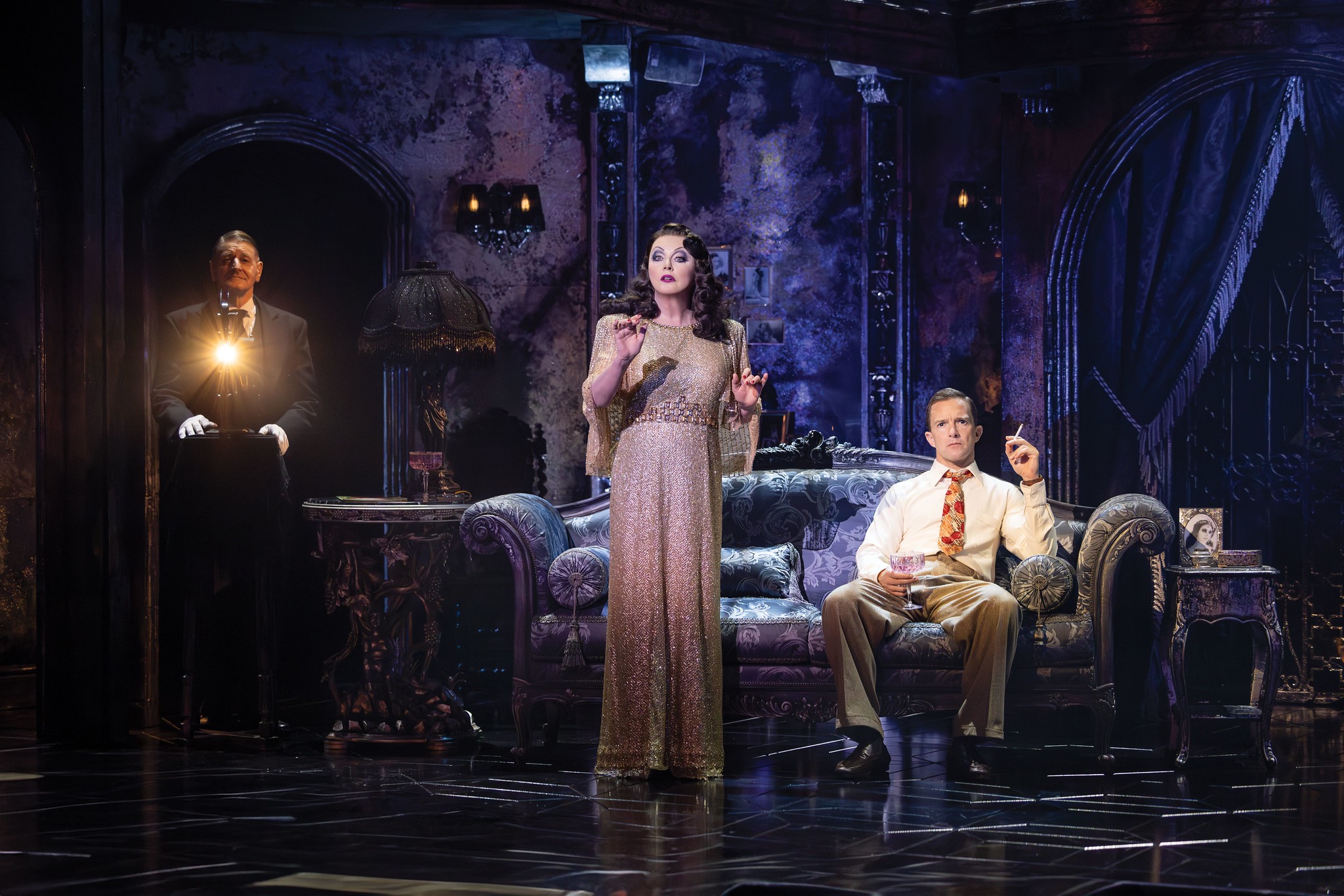
Last year it was Miss Saigon and The Phantom of the Opera. This year, Sunset Boulevard was chosen to carry the torch for the good of the opera bottom line and is unfortunately Exhibit A in the argument that musicals aren’t necessarily the sure-fire route to riches they might appear to be. It didn’t set Melbourne alight although seems to be selling better in Sydney.
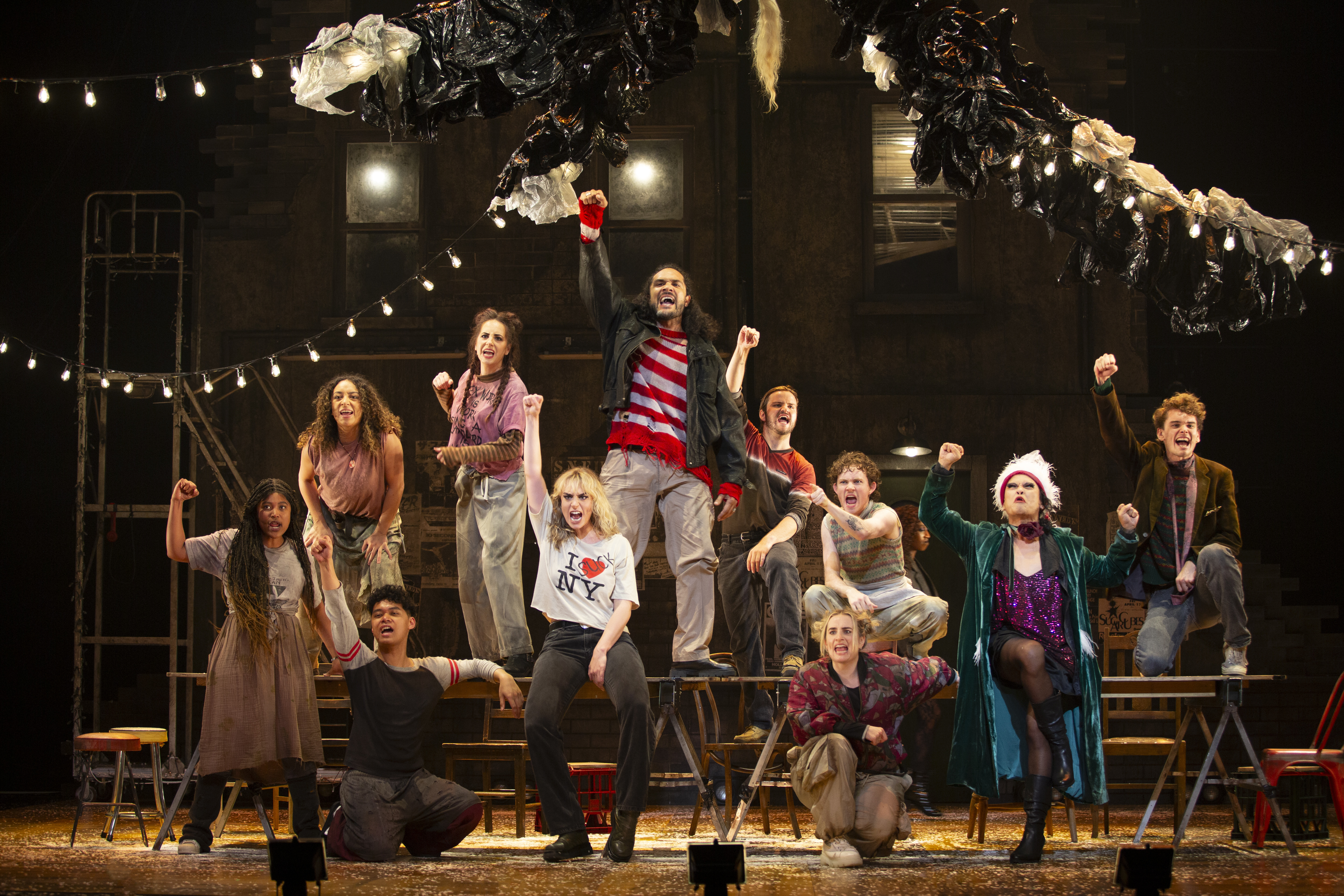
Before OA’s 2025 program was launched we knew from earlier announcements that Guys & Dolls and Hadestown were to be staged. When the 2025 brochure came out it was surprising to see it include Jonathan Larson’s La bohème-inspired Rent, which will pop up in the Joan Sutherland Theatre at the Sydney Opera House for a whopping 40 performances at the end of 2025. Rent was last in the Sydney Opera House in 2021 – in the Drama Theatre – from the same production company and director, Shaun Rennie.
Together Rent, Hadestown and Guys & Dolls represent one quarter of the Sydney season in terms of the number of productions.
Some would also put Candide, which is part of the Sydney mainstage program, into the musicals basket. I would argue that Bernstein, along with Sondheim, sits outside rigid categories but it certainly puts another lighter work into the program.
So why Rent? Is that innovation and courage from a 21st-century opera company when the musicals slots appeared to be already locked down? The job of a musical is to make money, so opera companies need to be extremely astute about calculating risk. It’s why there is usually a commercial partner involved to help cover costs and, one presumes, offer sage advice regarding repertoire. Rent comes from small production house LPD Productions. It would be interesting to know whether it has much money to put into the show or whether OA is bearing most of the costs and therefore the risk.
Otherwise things look fairly safe. In 2025 the one Australian-led production never before seen is a new Carmen. Perhaps director Anne-Louise Sarks will have an approach that makes this ultra-familiar war horse revelatory. I hope so.
On the positive front there are presentations of works previously produced at other Australian opera companies while continuing the 2024 trend of using more Australian singers and creative teams and more female conductors. This is good and necessary.
I begrudge no one the chance to see the hilarious Moshinsky Barber of Seville and the brilliant David McVicar Marriage of Figaro. It’s rather soon to be bringing back Sarah Giles’s production of La traviata but it apparently went well at the box office this year, so …

I acknowledge that Candide and the Opera Queensland-Circa Dido & Aeneas provide a bit of frisson but throw in Gale Edwards’s 2011 La bohème (still pluckily defying attempts to kill it off), Dvořák’s Rusalka and Massenet’s Cendrillon and you have a conservative program overall. It was something the Board could sign off on while having some of the directions promised by Davies.
That said, I can’t help thinking that Rent is there at the expense of just one innovative and courageous thing. I don’t know – something Australian?
Is Rent something the OA “collective” insisted on, believing it will be a reliable money-spinner? I suppose it might be – we shall see – but it sends an odd message about the company’s mission and purpose. This is, after all, Opera Australia. It’s not Musicals Australia.
Anyway, Rent is there and Davies is not.
 deborah jones: FollowSpot
When it comes to this production of Sunset Boulevard, I’d say the (mis)casting of Sarah Brightman didn’t help (the box office). The doll-like soprano has neither the look nor the acting chops to stave off omnipresent ghosts of Glenn Close, Patti Lupone, Gloria Swanson, and Debra Byrne. Melbourne didn’t fall for it, but of course, silly Sydney always will!
I actually have some views on different and various Normas and will be putting something up possibly early next week!
I await with interest!