Francesco Ventriglia became artistic director of Alberta Ballet in January 2024. Now 46, he has worked as a dancer, artistic director and choreographer in Italy, New Zealand, Uruguay, Australia – where he established his Sydney Choreographic Centre – and now Canada.
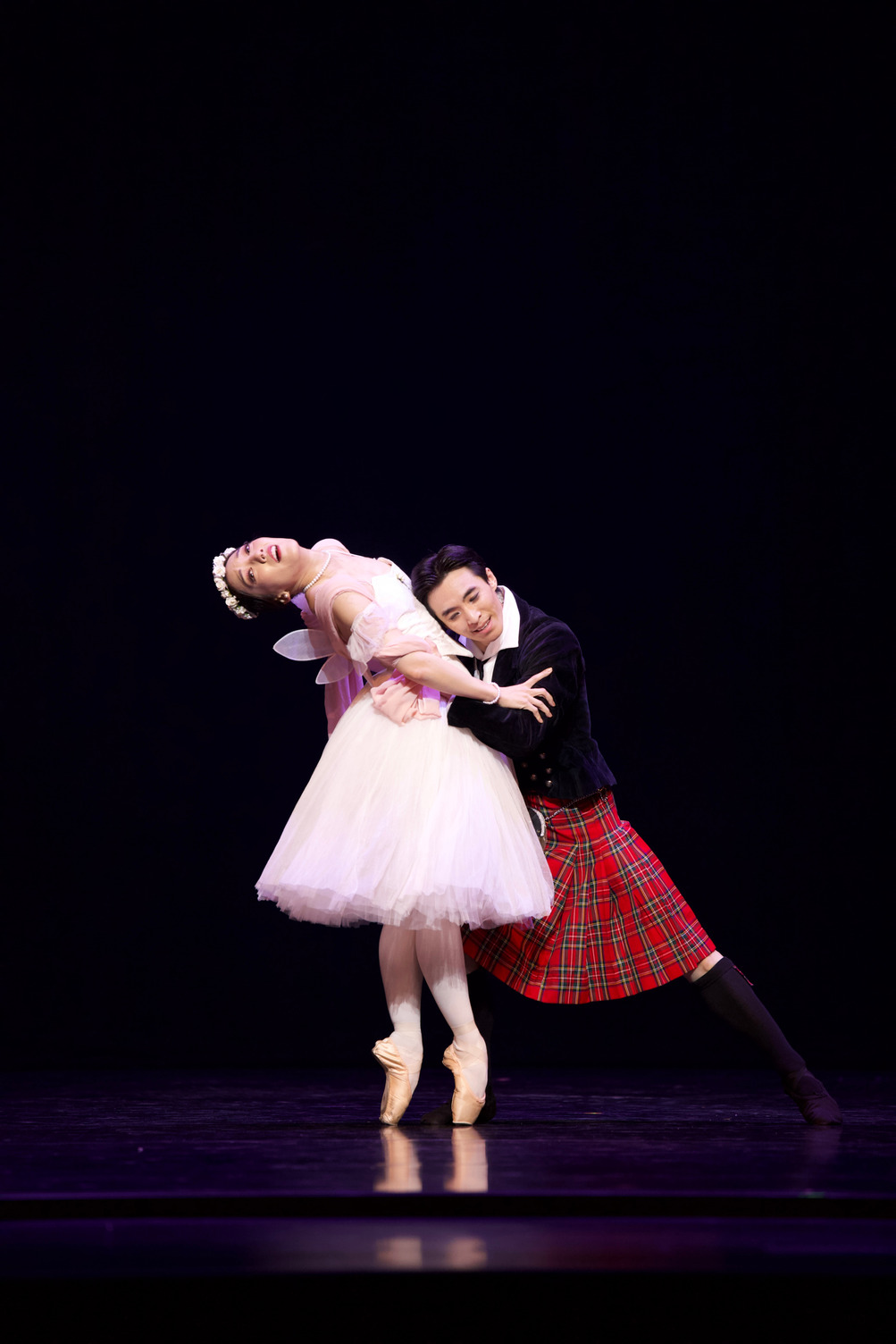
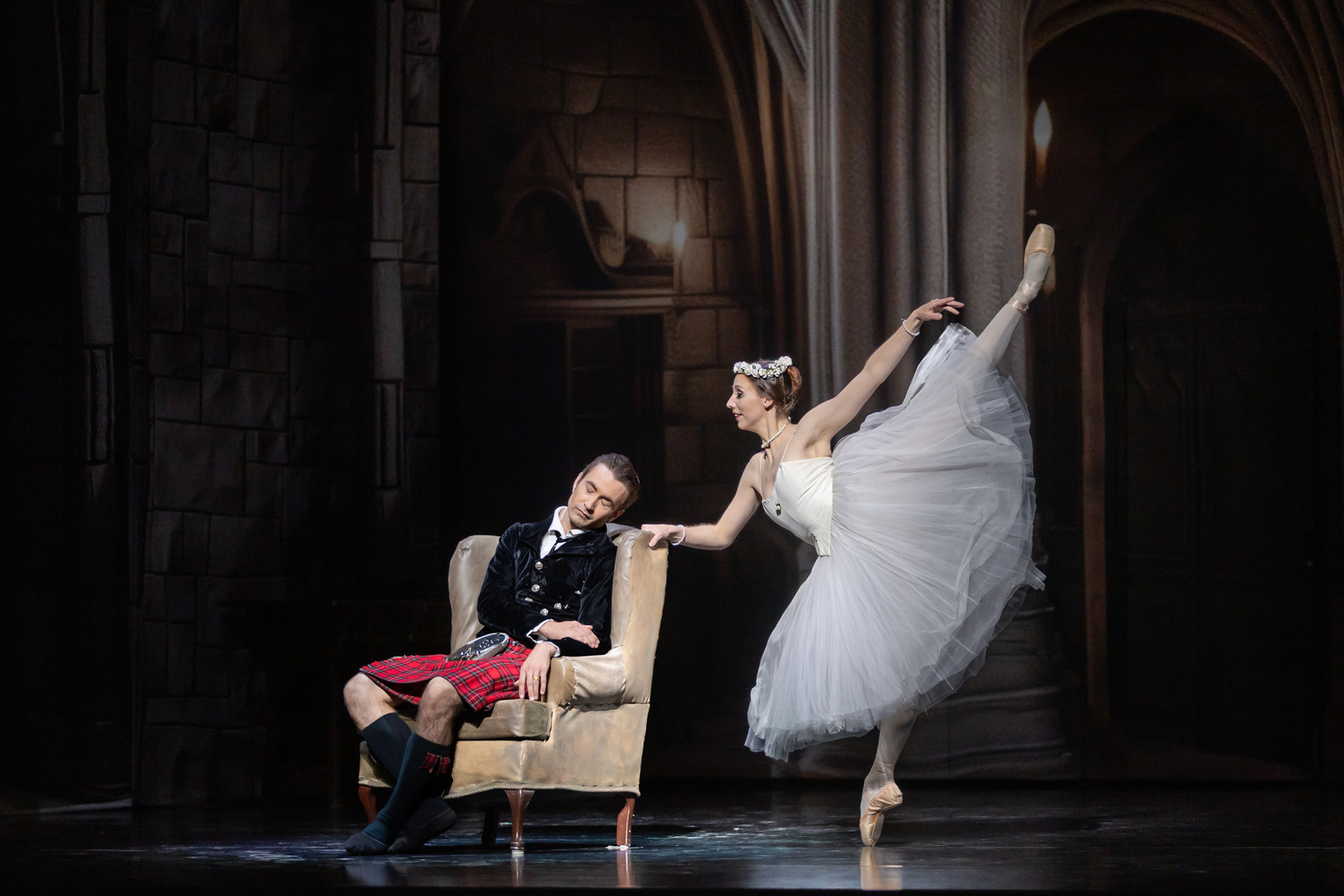
The company premiere of La Sylphide in September was his first program for Alberta Ballet. I talked with him recently about his running start with the company and his plans for it.

How did you come to be at Alberta Ballet?
I’d been living in Australia and then my mother died and I wanted to reconnect with my country. I had been away for so long. We were going to go for six months, eight months, and then go back to Australia. Then Neil, my husband, told me Alberta Ballet was looking for a new artistic director. I said no, no, we’re planning to go back to Australia. Then of course I was curious. I remembered that when I was 19 in Milano I danced in a principal role for this Canadian choreographer, Jean Grand-Maître, who was Alberta Ballet’s director for 20 years. There was a connection. And Canada – it’s a great country. So I decided to apply.
The recruitment company brought me in front of the Board. When they ask you about your vision and to propose a season for the company you start to dream about it. You think, I really, really want to do it now.
I met the people and then came the famous question – why do you think you are the right person for us? I was very honest. I said because I’ve done this job for so long and deeply love what I do and at one point I failed. This was how I learned. It’s the reason I’m a better man and a better professional and I think I’m ready. When I first became an artistic director [at MaggioDanza in Florence] I was 32, I was very young. Now I’m 46 and I’m ready now to drive this company and I want to drive fast. I have big dreams. I think they liked that.
I was in Italy when they rang to ask if I could start on January 8. It was a lot of happiness. As a family we decided it was a good opportunity so we packed everything, packed the dogs, and moved to Canada. It was very fast.
You have now worked in the four corners of the globe. What are the similarities and differences?
This extensive travel happened over the past 10 to 12 years. Working around the globe in different cultures I have noticed two big things. The first was me, growing, learning a lot through success and failure, so that today I’m a man and a professional with more awareness, more understanding of the job, the management of people and the management of myself. Equally, over the past 10 years I’ve noticed a huge shift in my industry about how we talk to dancers, how we plan a budget, how we need to be more sustainable in our productions.
When I was working in Italy everything was funded by government. In South America 95% of our funding was government. In North America everything is private, so my current job is way more interactive with sponsors and donors, convincing people that my vision is good and their support can help create this vision. With it I will create a legacy for them in the arts. This is a completely different way to budget and plan.
In terms of how the dancers dance, I see here in North America the same commitment, the same passion, the same dedication I find in New Zealand, in Australia, in Uruguay. Dancers want to dance, to be well directed. They want good teachers and choreographers. And today – it was not like that when I was a dancer; not even 10 to 15 years ago – there is huge awareness about health, safety, physiotherapy, how we look after the body, how much we eat, how much water we drink, how much we don’t drink alcohol, how much we don’t smoke. When I was a dancer it was cool to have a cappuccino and a cigarette as a diet.
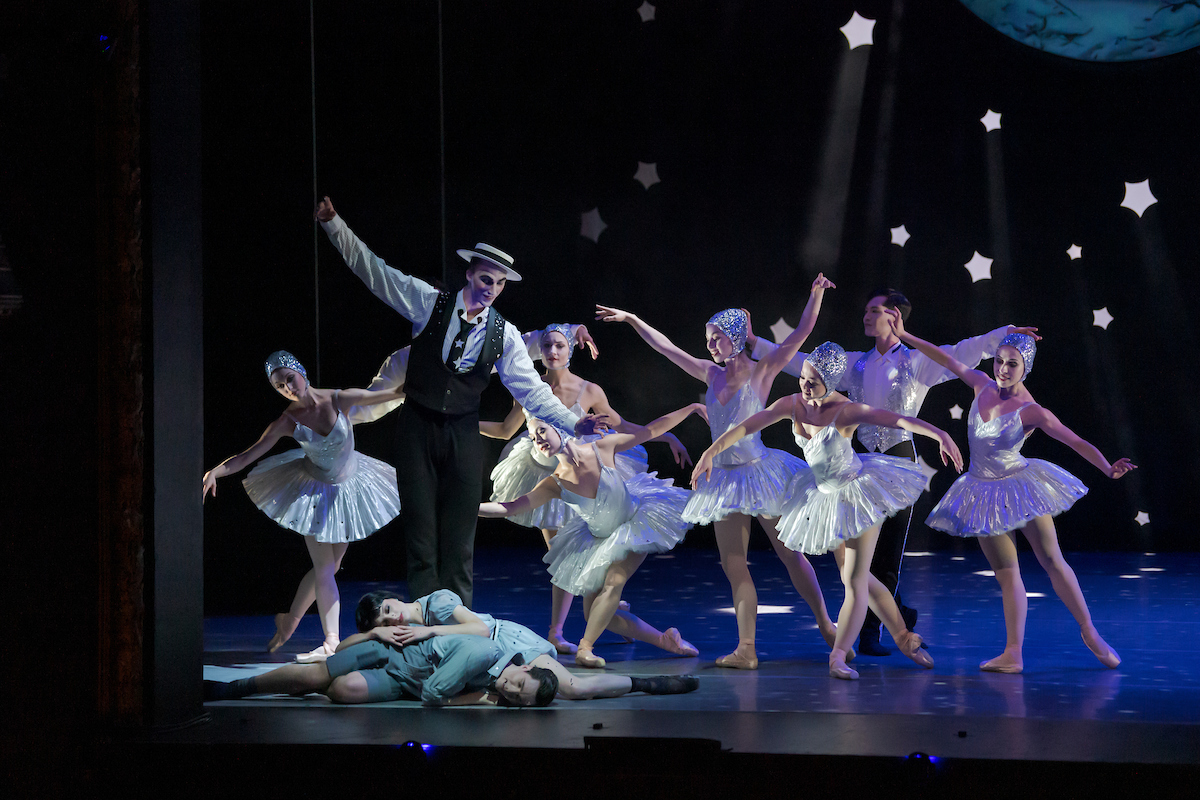
You arrived during Alberta Ballet’s 23/24 season, just before the premiere of Hansel & Gretel. That was choreographed by Loughlan Prior, an old friend from when you were artistic director at Royal New Zealand Ballet.
It was a great way to start at Alberta Ballet. Loughlan kindly said publicly that I had given him choreographic opportunities when I was artistic director in New Zealand. There was this big reconnection with my past. The public loved Hansel & Gretel so much – Loughlan had a great success in Calgary. The director of Royal Winnipeg Ballet came to see it so I hope the ballet will go there. The network is very important.
How many dancers are there in Alberta Ballet?
I’m very proud to say I have 32 dancers. When I arrived there were 30. I want to grow by two positions every year. I have a long vision. I also have a huge school at my disposal. For La Sylphide we will have 40 dancers. The ballet and the school are one organisation and there’s a lot of collaboration. The school’s director, Ashley McNeil, is fantastic.
A number of dancers retired at the end of the 23/24 season. How has the company changed?
From auditions in Calgary, New York, London and Milan I have eight new dancers and I took two from the school, so there are 10 new dancers. It’s a big change. There has been quite a turnover in the past few years – the longest-serving dancers now have been here for only five or six years. The entire group is pretty new really. The dancers come from Canada, which is important, and Italy, Australia, Japan, China, Mexico and the United States.
Why La Sylphide as the first ballet you programmed?
When the Board asked me what the DNA of the company would be, I said “it’s a ballet company”. There was a very famous, very successful history of portrait ballets which was the DNA of the company under Jean Grand-Maître. I present my vision as tradition and innovation. To have innovation you need to blend with tradition. The dancers need a strong foundation for them to be versatile. I chose to start with La Sylphide because you learn the importance of style, the importance of mime, why something needs to be done this way and not another way, what a gesture means.
We can be the future only if we know the past
If I do tradition and innovation, let’s start with something traditional. Then we will innovate with GRIMM, which is the next title. It’s from young up-and-coming choreographer Stefania Ballone and will have a new score. I’m trying to blend these two things. We can be the future only if we know the past.
The public loved La Sylphide. You could see how much people still love classical ballet and we received three very beautiful reviews.
(The Calgary Herald’s Stephan Bonfield wrote that La Sylphide represented “the most definitive statement possible to open the company’s 58th season”. The Gauntlet’s Eula Mengullo called the production “a brilliant way of honouring an early masterpiece of this art form while also charting a new course” and Info Edmonton magazine’s Tracy Cooper-Posey said La Sylphide reminded Alberta Ballet’s audience “of both the power of classical ballet and the timelessness of live performance”.)
For this season I wanted to do something that was impactful, sustainable financially and beautiful.
The season also has my existing ballet The Wizard of Oz, a new Don Quixote that I will choreograph and the Dance Theatre of Harlem. I started on January 8 and the season had to be ready in February. I’m already working on 25/26, 26/27 and 27/28. I want to plan three years in advance. For this season I wanted to do something that was impactful, sustainable financially and beautiful.
The new Winter Gala is my diamond. I wanted a show where company and school could share the evening. The whole organisation is on stage to celebrate who we are and to thank and celebrate our sponsors and donors. For the first gala I programmed the best of the current repertoire. For the future I want to include choreographers like Forsythe and Balanchine – the best of the best – and to use the Winter Gala – if I can use this word with respect – to educate our public to start to see things the company has never performed.
Is fund-raising an area you are having to be more familiar with?
I’m meeting a lot of people and doing events. I’m starting campaigns to support costumes and music for the company. I want to make sure our donors are not just giving money but can be connected to a specific program, can feel affiliated. Everyone has a different passion and taste. We’d like to commission a new score each year and to protect the craft of costume-making. We’d like donors to tour the wardrobe and to see how a tutu is made. I want to create programs where people can see where their money has been spent.
How is life in Calgary?
It’s really cool. Calgary is a vibrant city. It’s growing really fast. There’s a lot of art and it’s exciting to be here. I hope I can bring the company into the general conversation, to sit at the right tables. There’s an event called the Calgary Stampede in July – a celebration of the cowboy culture. Everyone wears boots and hats. I did. It’s an incredible social event. You can shake hands and meet all sorts of people. I’m running fast and as you know I like to run fast. I feel like I’m in the right place at the right moment.
GRIMM: Calgary, October 17-19; Edmonton October 25-26.
Disclosure: Deborah Jones worked with Francesco Ventriglia as a dramaturg on several projects at his Sydney Choreographic Centre.
This conversation has been edited for clarity and length.
 deborah jones: FollowSpot