In what will be David Hallberg’s fifth year as artistic director of The Australian Ballet, the company’s 2025 program offers new works by William Forsythe and Stephanie Lake, the return of John Neumeier’s Nijinsky, the company premiere of Jerome Robbins’s Glass Pieces and, for Melbourne and Canberra, Johan Inger’s powerful Carmen following its Australian premiere in Sydney this year.
Revivals of repertoire staples round out the year. Kenneth MacMillan’s steamy Manon (1974), to be seen in Melbourne and Sydney, is pas de deux heaven. Former artistic director David McAllister’s 2015 production of The Sleeping Beauty is sumptuous to the nth degree.
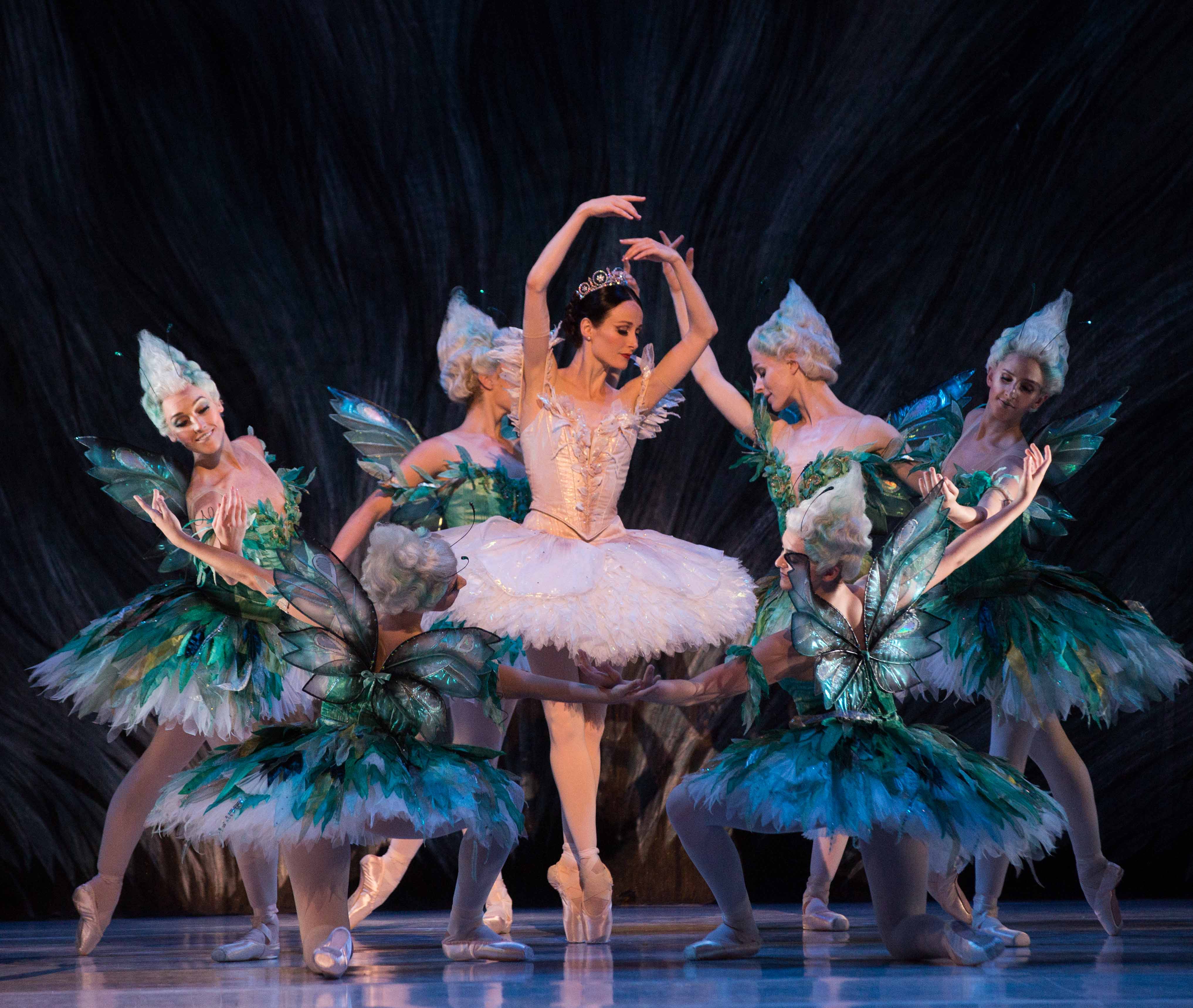
In all the company will give 151 mainstage performances in 2025, an heroic number in what is still a difficult post-pandemic climate for the performing arts. The Sleeping Beauty will test the company’s mettle more than any other production, accounting for close to a third of all performances. There will be nine shows in Adelaide, another nine in Brisbane and a whopping 30 in Sydney at the end of the year.
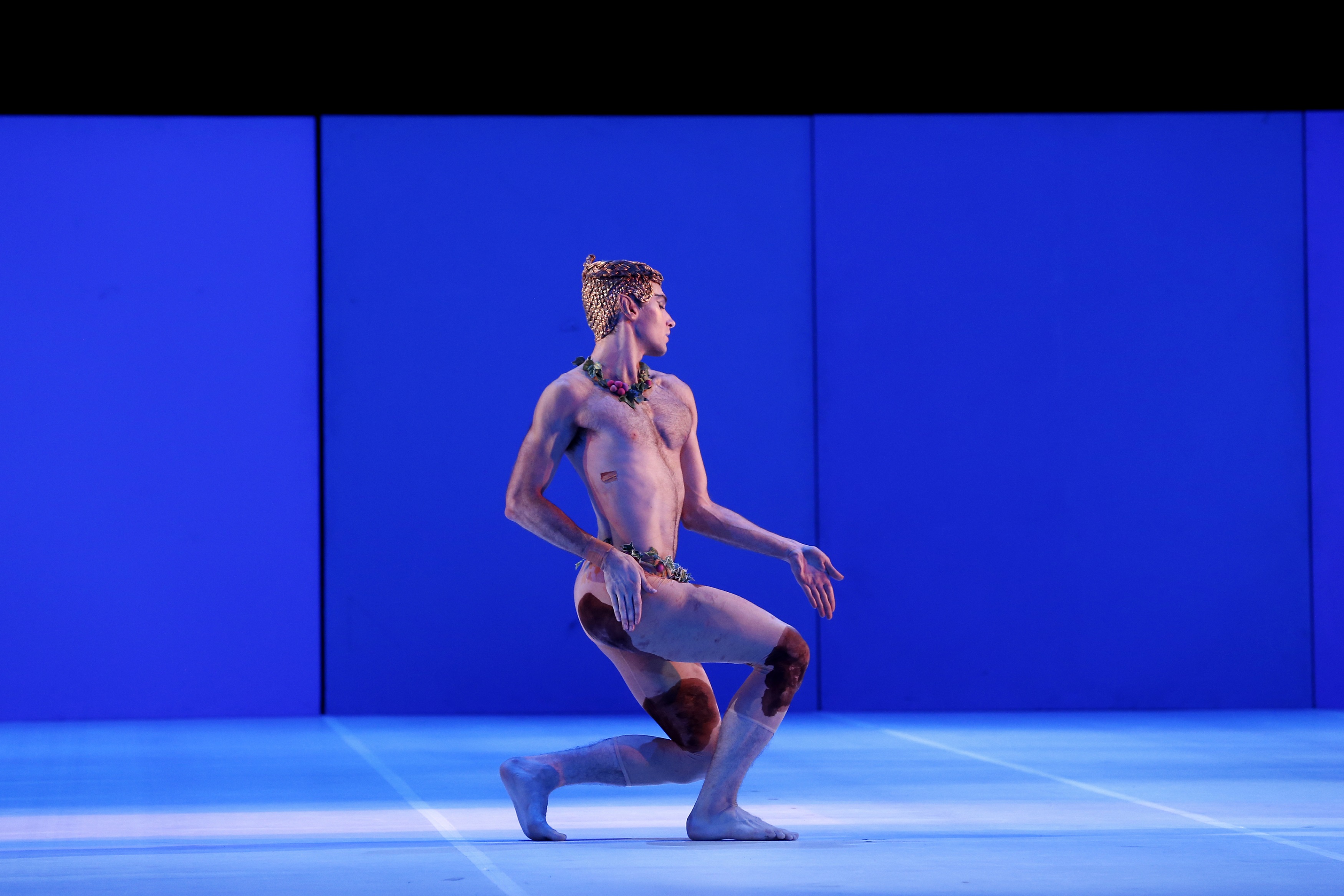
TAB first performed Nijinsky in 2016 so almost a decade later it will be stimulating to see the ballet interpreted by many different dancers in the leading roles. Nijinsky, created by Neumeier in 2000, is dramatic and impressionistic, created from shards of this unique artist’s life and work. “A ballet can never be a documentary,” Neumeier has said. “It is basically a biography of the soul, a biography of feelings and sensations.”
Also exciting is the prospect of Prism, the contemporary triple bill for Melbourne and Sydney that includes the legendary Forsythe’s Blake Works VI (The Barre Project) alongside Glass Pieces and a new work by TAB resident choreographer Stephanie Lake.
The Blake Works journey started in 2016 with Blake Works I for Paris Opera Ballet. When the pandemic shuttered theatres, Forsythe made Blake Works II (The Barre Project), a dance for four including New York City Ballet superstar Tiler Peck that was filmed and screened in 2021. That segued and evolved into Blake Works III for Boston Ballet, Blake Works IV for Dance Theatre of Harlem and Blake Works V for La Scala.
And now there will be Blake Works VI (The Barre Project) for The Australian Ballet. The “Blake” part of the title refers to James Blake, whose music Forsythe uses. The “barre” part is self-explanatory. It’s fundamental to the practice of classical dance and had great significance during the pandemic when it – or an equivalent – helped dancers literally hold on to their art.
Who can say how many bodies Forsythe will put on stage for Blake Works VI? It is certain, however, that Glass Pieces (1983) will feature a large cast. It was made for New York City Ballet to the music of Philip Glass and is thrillingly saturated with the energy and spirit of New York. The new Lake work will be made on a small group of six or seven dancers in huge contrast to this year’s Circle Electric (to be seen in Melbourne in October), which featured about 50.
And of course it will be just about all hands on deck for The Sleeping Beauty, one of the foundational works for any classical company.
I’m very much looking forward to all of it.
 deborah jones: FollowSpot