A bespoke item is one made specially for a person. It’s tailored to suit and fit. That’s what the word means, full stop.
But that’s only half the picture for Queensland Ballet’s annual program of new work. There are expectations that go significantly beyond a great fit.
In 2023, for instance, the promise was that Bespoke would be “challenging and always thought-provoking”. (In the event, only Remi Wörtmeyer’s Miroirs sticks in the memory if that is the yardstick.)
Last year new QB artistic director Ivan Gil-Ortega put out a call to choreographers, designers, costumiers, animators, visual artists, composers and music producers to pitch ideas to him for Bespoke 2026 (his first curation of the event). It sounded promising. Gil-Ortega wanted “bold collaboration, fresh perspectives, and boundary-pushing art-making. We can’t wait to see what comes through.”
What came through was a thoroughly watchable trio of contemporary one-act ballets, each about 25 minutes in length, each with well-executed high points and each quite a way from being a jolt to the system.
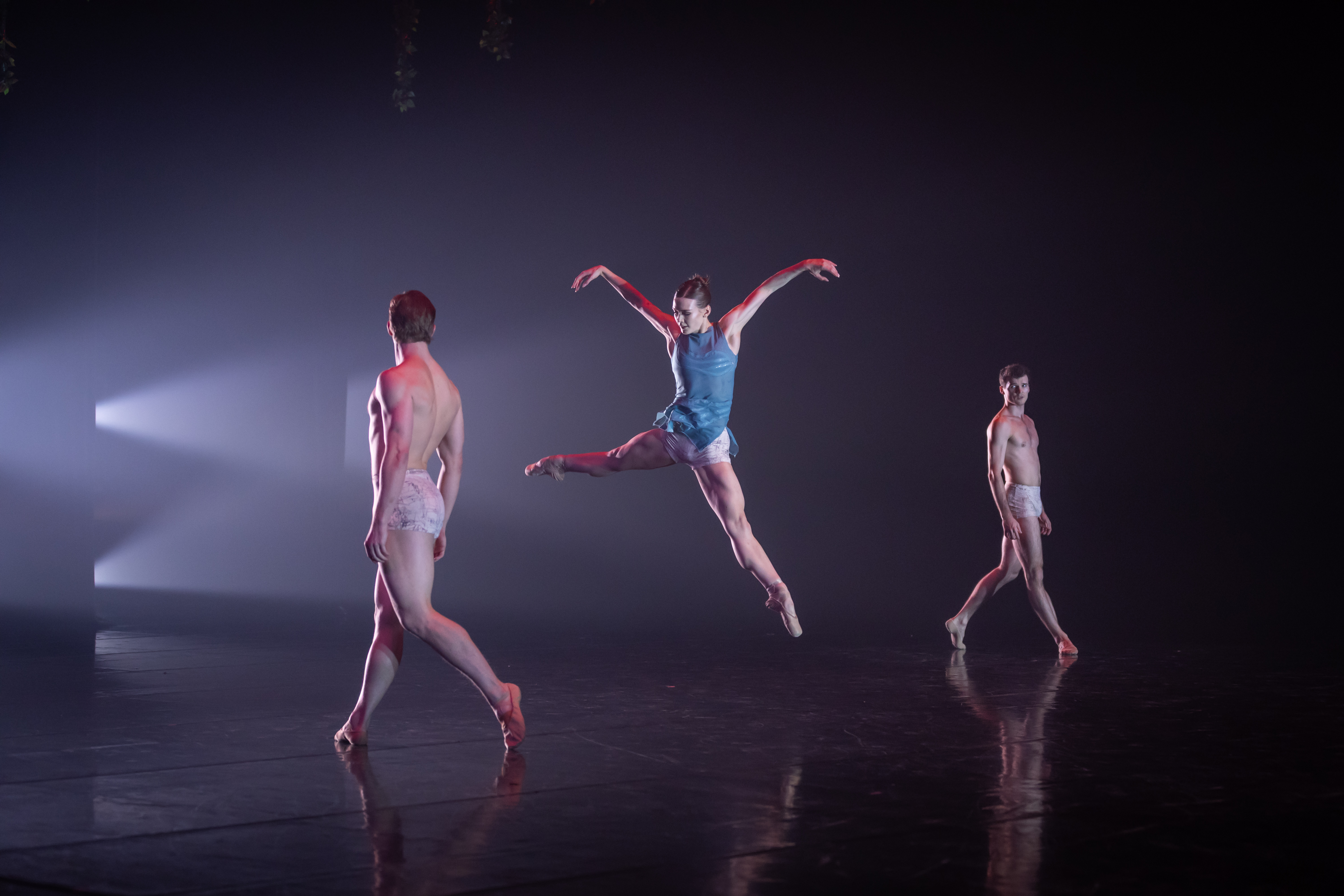
Where the Water Once Was comes out of Claire Voss’s concern for the shrinking of the world’s water supply. It’s a big issue given underpowered treatment. The prevailing mood was sorrow rather than existential distress as water imagery (blue-clad dancers huddling then splitting off like molecules) gave way to personal interactions. A big central pas de trois was effective but could have fitted in to any number of contemporary ballets. More specific was a pas de deux of death that evoked Manon’s desert scene in Kenneth MacMillan’s ballet of that name.
It was good to learn that costumes by Michelle Potts – little blue tunics and minimal white trunks and tops – were made from existing stock in keeping with the environmental theme. Less good was the design element of hanging fronds of what appeared to be bits of sparkly tinsel. They triggered unwanted thoughts of an underwater Disney film.
The second work, Paul Knobloch’s Between the Line, addressed the need to break free of crippling conformity. The final piece, Victor Zarallo’s What Remains, occupied a related space, that of the individual needing to find their place within the group without being overwhelmed. Both were clear and strong in achieving their goals without breaking new ground.
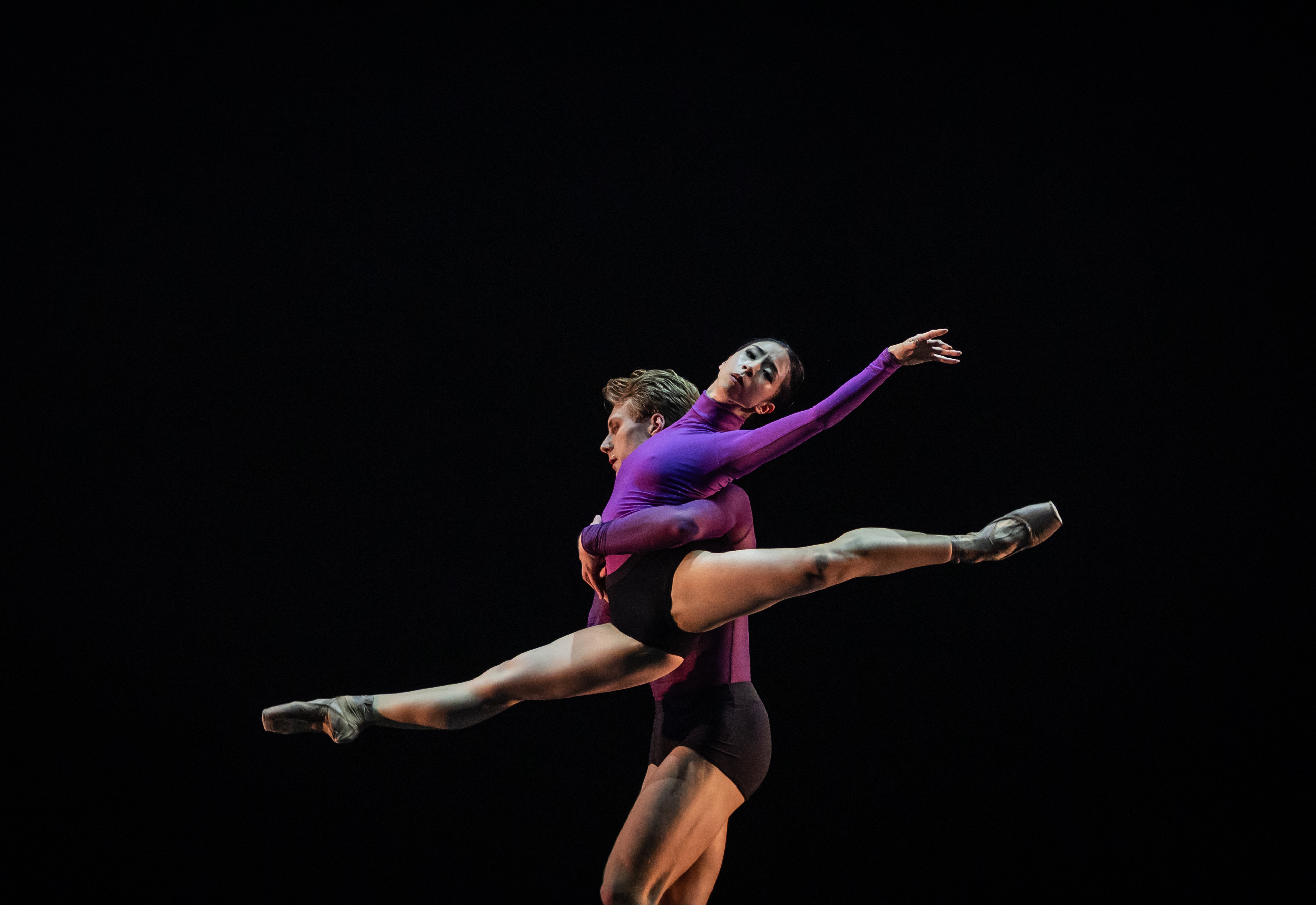
Knobloch is widely experienced and it showed in his super-confident, punchy piece. The dancers looked great in body-hugging purple tops and black briefs (no designer was named). Unison, repetition and canon got a workout as the idea of faceless conformity got up a head of steam.
Knobloch had his group of 14 going hard and fast, although could lose some of the bravura ballet moves that shouted “19th-century classics”. They seemed a backward-looking way of demonstrating a break from the pack. Everyone looked better when being absolutely of the here and now.
Like Voss, Knobloch had a powerful pas de trois for a woman and two men. A splendid pas de deux too.
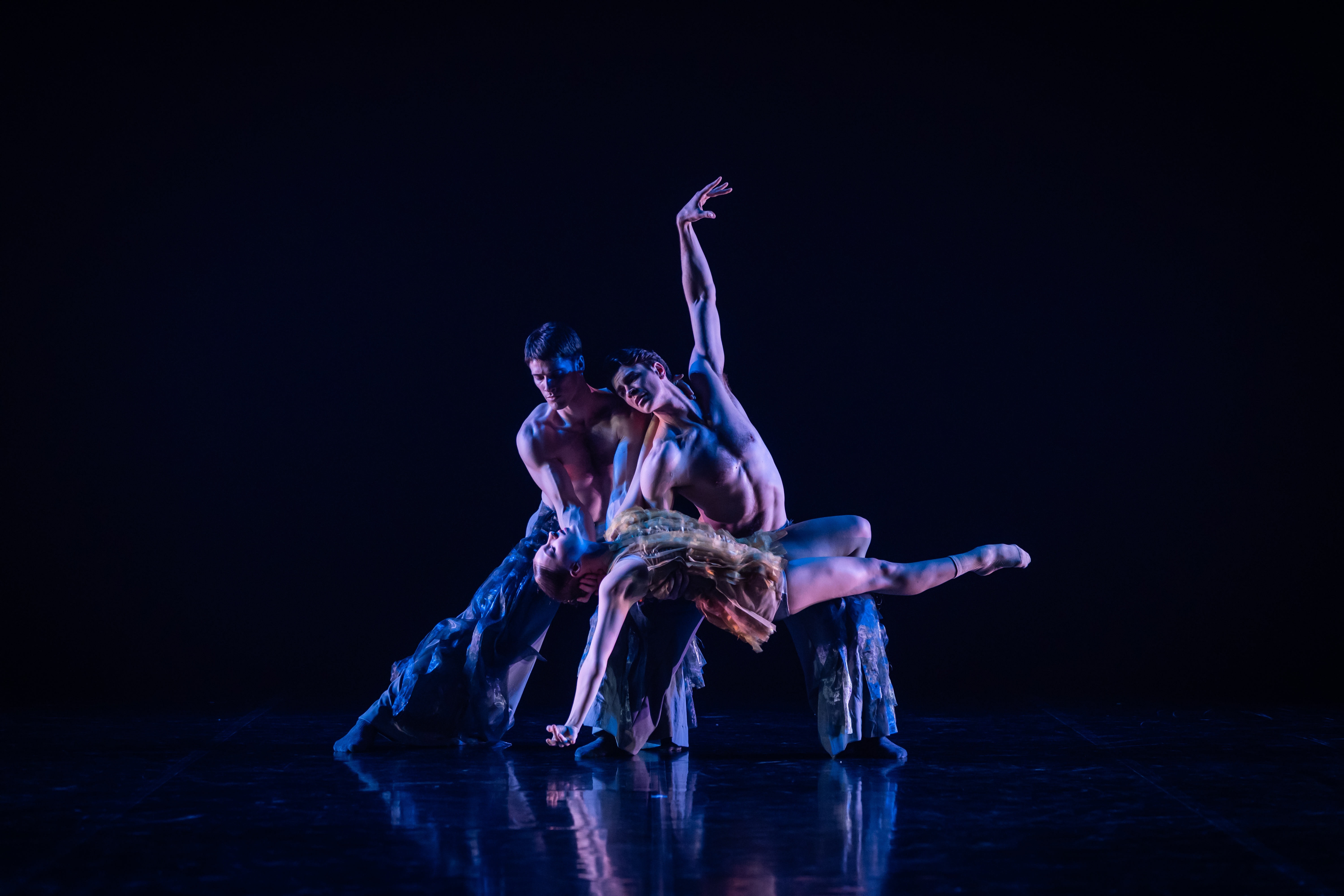
Zarallo has an illustrious background in top-flight contemporary dance (Voss and Knobloch are steeped in ballet) and put it to good use in What Remains. Zarallo began with a trio for a woman and two men, happily quite different in nature to the others already seen, to introduce a sense of protectiveness before the woman was sucked into the hurly-burly of a crowd she would later escape.
Costume designer Bethany Cordwell put Zarallo’s central woman into a bright gold shift and the anonymous group into funky grey fringes to give an immediate visual clue to Zarallo’s theme. The piece petered out slightly at the end but the group work was bracingly dynamic.
Composers Connor D’Netto (for Voss), Matej Perunicic (Knobloch) and Brady Watkins (Zarallo) created new scores that showed fruitful collaboration with the choreographers, as did lighting by Anthony Lee (Where the Water Once Was and What Remains) and Matthew Allan (Between the Line).
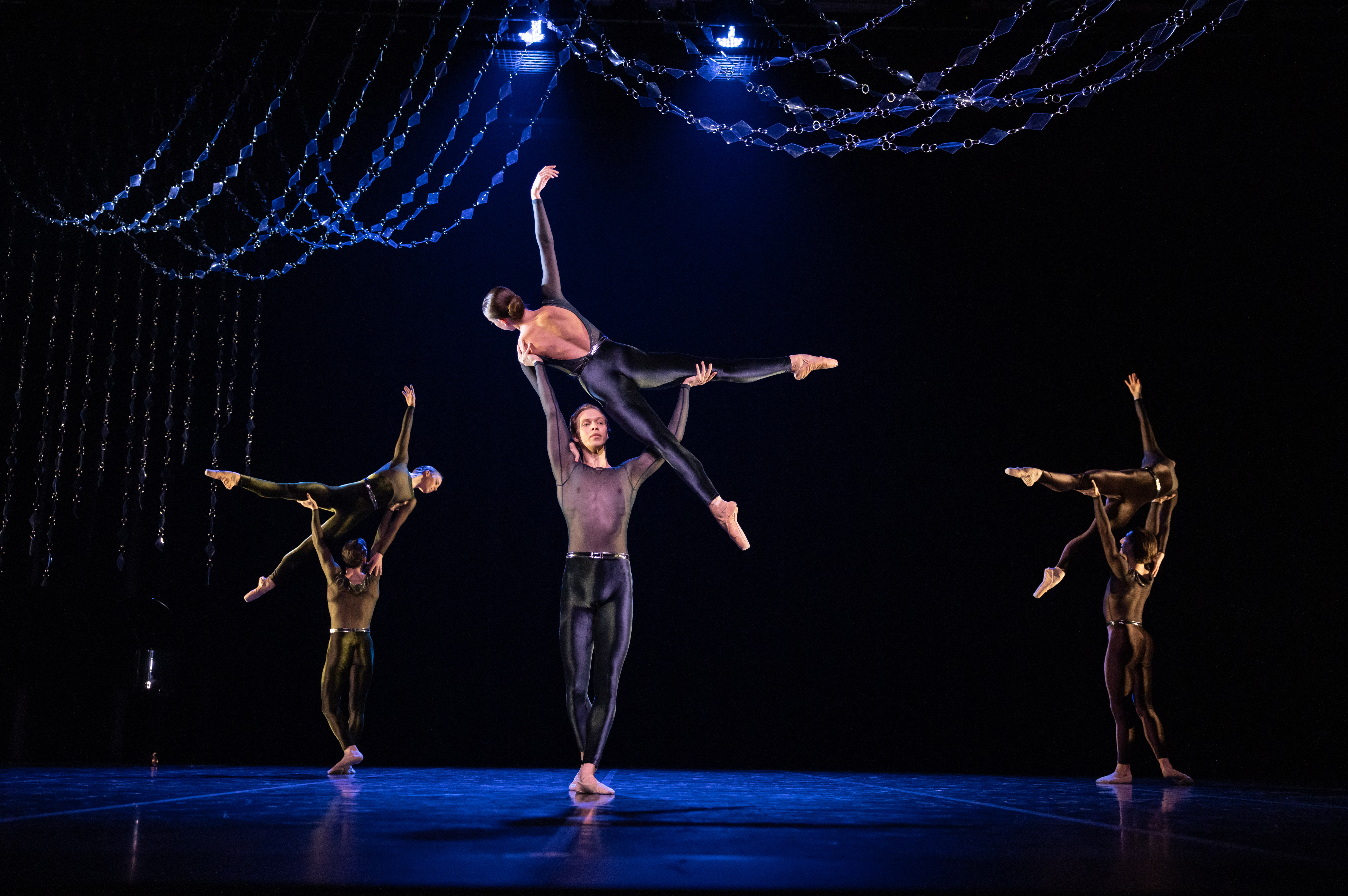
As far as the dancers are concerned, let’s not name names. The company looked in fine fettle right through the ranks, as they should in work made on them.
An audience member needs to go to Bespoke with hope and an open mind. The newness means not everything will reach its goals but it’s a known hazard of the new. You have to give it a go. As for the rest, one hopes to encounter an individual, surprising spark.
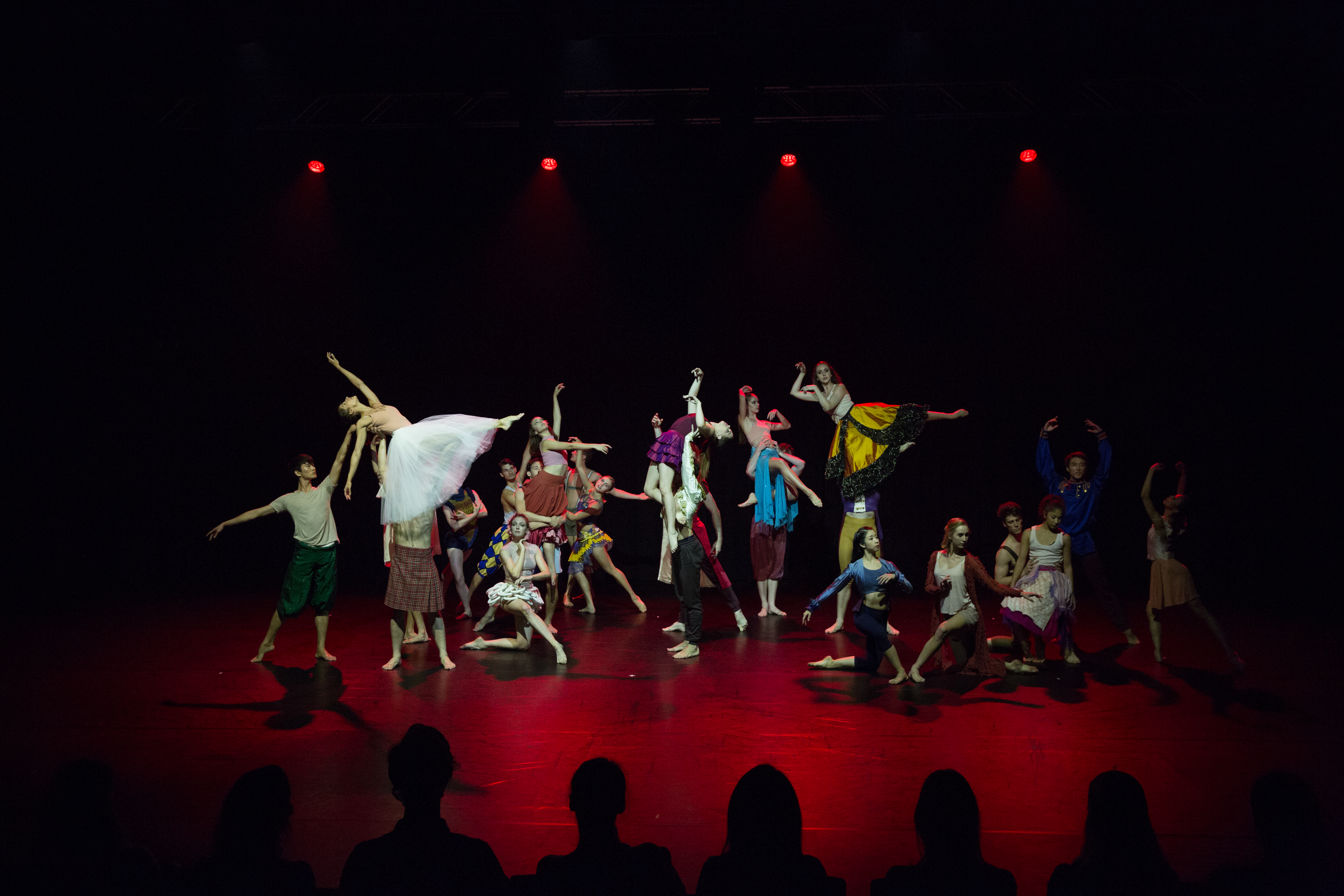
To this day I can still see Stephanie Lake’s Chameleon and Jack Lister’s Rational/Animal from that first year, 2017. This was the year before Lake made the now ubiquitous international hit Colossus – 20 seasons, 14 of them international and more announced just this week. QB had really got ahead of the pack, thanks to Bespoke’s prime mover Amy Hollingsworth, at that time QB’s creative associate and ballet mistress.
In 2019 Lucy Guerin brought forth a bracing challenge with pointNONpoint. In 2024 a gorgeously textured commissioned score by Chris Williams and Seán O’Boyle for Katina Olsen’s gundirgan, wise woman was played onstage by a quintet of Southern Cross Soloists with Williams on didgeridoo.
Last year’s Bespoke really hit the jackpot with works by Yolanda Brown, Amelia Waller and Robert Binet (the program tends to be a trilogy) in various ways offering aspects of scenography, costuming and humanity that challenged the norm.
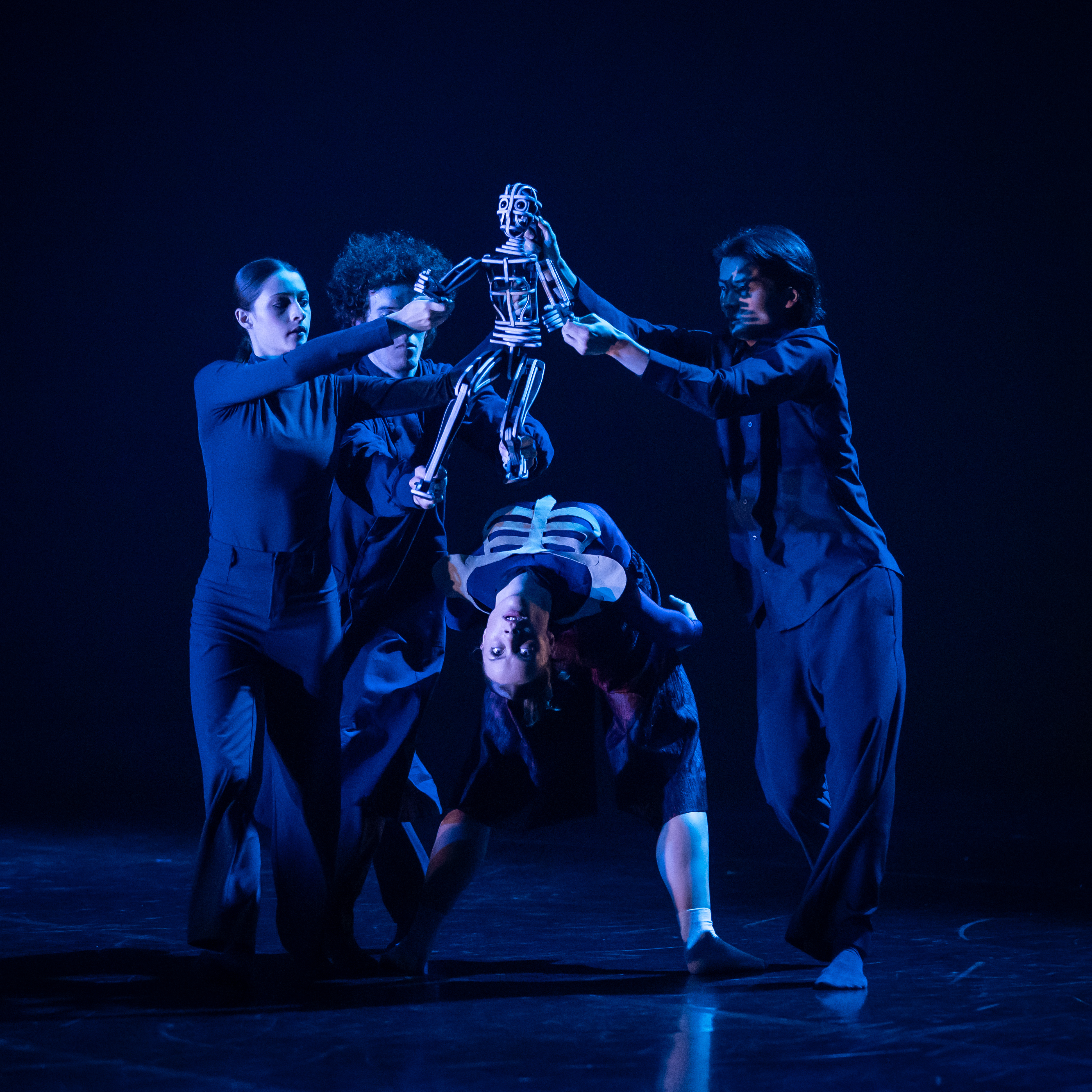
I also still vividly remember Lake’s second Bespoke outing with Biography (2023). Lake now has a high-level international career and it’s time for other singular talents to be given this platform.
Australia has scores of daring choreographers who are ready for their close-up. It would be wonderful to see more of them push the parameters of Bespoke.
Every year at Bespoke time – and this is its 10th year (although because of the pandemic not Bespoke’s 10th iteration) – I can’t help thinking of that great dance disrupter, Sergei Diaghilev, telling the young Jean Cocteau to “astonish me”. That was more than a century ago and there’s never been a more succinct expression of what’s needed.
Bespoke ends October 17.
A version of this review first appeared in Limelight magazine.

